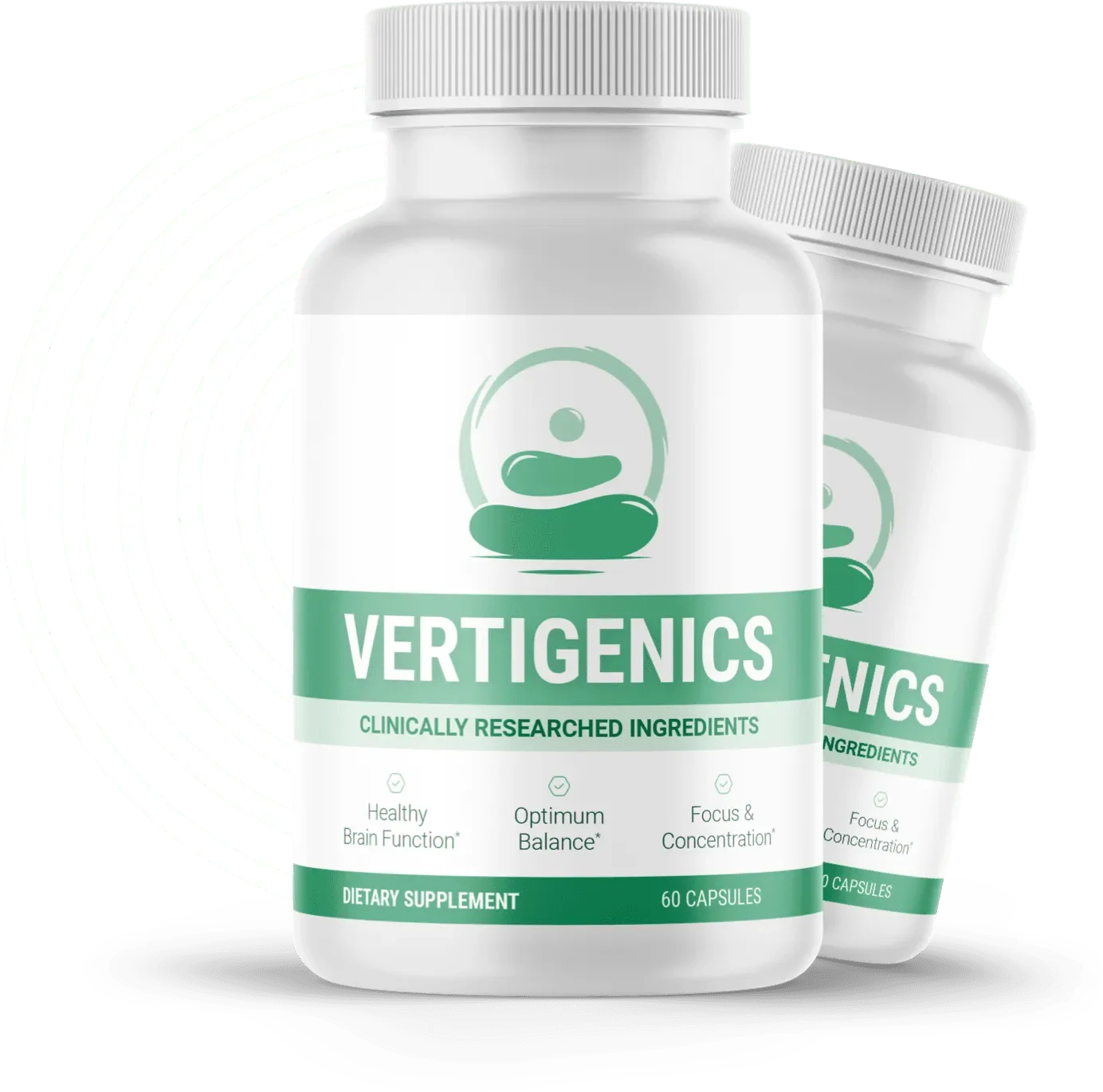
Check the Label
Start with the complete ingredient list, serving size and directions. Do not assume that “natural” means risk-free.
Check Medicines and Conditions
NIH and NCCIH resources note that dietary supplements can interact with medicines. This is particularly important when a formula contains several botanicals or minerals.
Watch for High-Dose Risks
More is not automatically better. Some nutrients and botanicals can cause adverse effects at high doses or with prolonged use.
Do Not Delay Medical Care
Supplements should not be used to postpone evaluation of new or worsening symptoms. This is especially important with dizziness, fainting, neurological symptoms or other potentially serious complaints.
Ask a Pharmacist or Clinician
If you take prescription medication, use several supplements or have a medical condition, ask a qualified professional to review the exact label before starting a new product.